
Whether crystalloids or colloids are best for resuscitation continues to be a matter for discussion and research. Many fluids have been studied for use in resuscitation.

Pdf Crystalloids Colloids Blood Blood Products And Blood Substitutes

Crystalloids And Colloids Anesthesia Key

Mechanisms Of Crystalloid Versus Colloid Osmosis Across The Peritoneal Membrane American Society Of Nephrology
Saline with small molecules which when inserted into the body can travel around quickly.

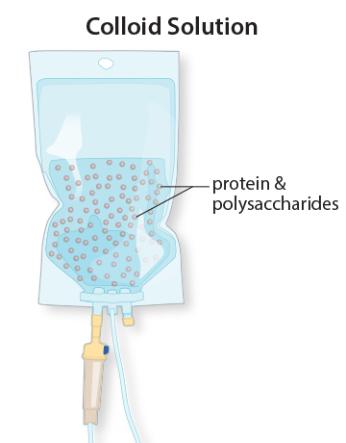
Crystalloids and colloids. Crystalloid and colloid solutions are largely useful for medical purposes. Crystalloids are low-cost salt solutions eg. Colloids are gelatinous solutions with large molecules that act as plasma volume expanders.
We conducted a multicenter randomized double-blind trial to. Colloids and crystalloids are types of fluids that are used often intravenously directly into the blood through a tube for fluid replacement. Crystalloids replace electrolytes and restore normal serum osmolality.
Colloids replace the proteins responsible for maintaining plasma colloid osmotic pressure. Colloids also known as colloidal solutions or colloidal systems are mixtures in which microscopically dispersed insoluble particles of one substance are suspended in another substance. Both are suitable in fluid resuscitation hypovolaemia trauma sepsis and burns and in the pre- post- and peri-operative period.
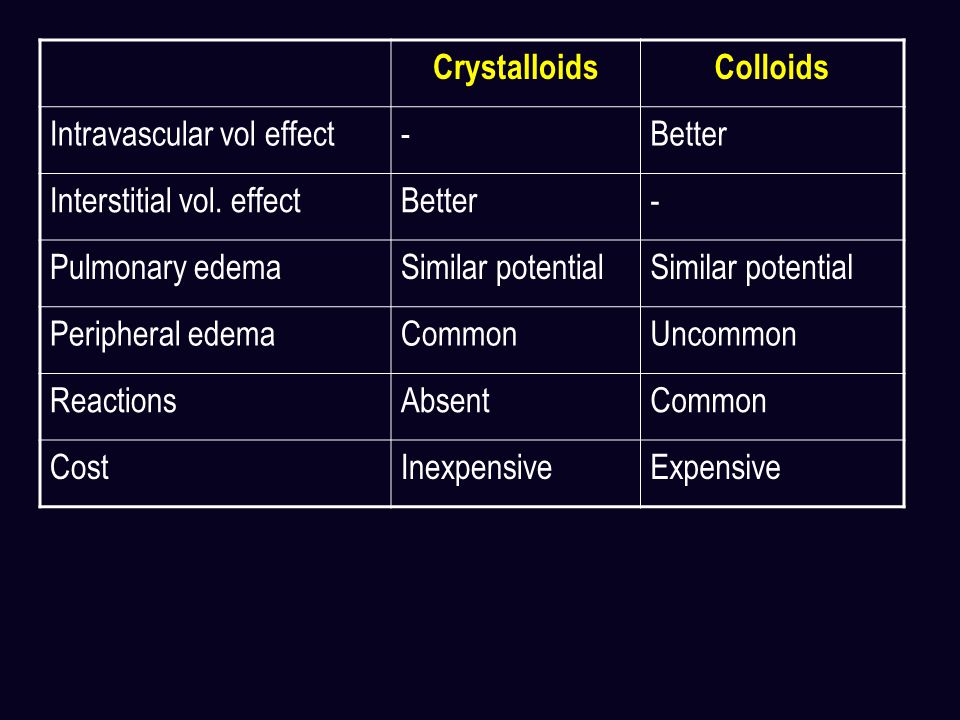
Colloids preserve a high colloid osmotic pressure in the blood while on the other hand this parameter is decreased by crystalloids due to hemodilution. The discovery of Graham on the use of dialysis has its roots on his study of colloids. More crystalloid fluid is needed than colloid fluid to achieve the same goal of boosting body fluid volume but crystalloids are less expensive.
Colloids can be man-made eg. When administered to a patient with sepsis colloids exert an osmotic effect leading to the retention of fluid in the intravascular compartment. Colloids are more expensive than crystalloids.
Capillaries into the capsular space colloids such as proteins being held back while crystalloids substances in true solution pass through. P 001 and more vasopressor-free and renal replacement-free days. Relative risk 101 0.
For example blood is a colloid. Crystalloids contain solutes composed of both electrolytes and nonelectrolyte solutes. One of the methods for treating fluid and electrolyte alterations is the infusion of IV.
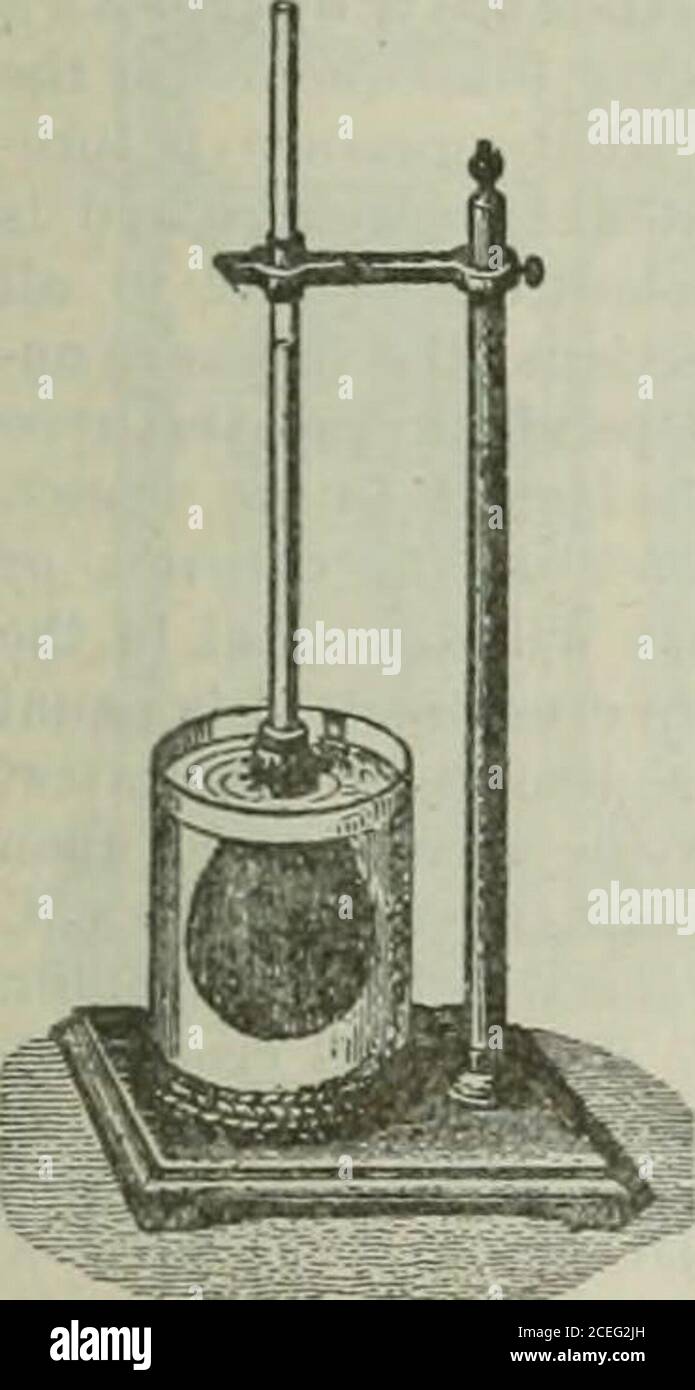
He was able to separate crystalloids from colloids using a dialyzer. Background It remains uncertain whether the choice of resuscitation fluid for patients in intensive care units ICUs affects survival. Solutions which have distinctive differences in composition that affect how the body reacts to and utilizes them.
CONTENTS Rapid Reference Forward Crystalloids vs. Colloids do not dissolve as quickly as crystalloids. Therefore they should theoretically preferentially increase the intravascular volume whereas crystalloids also increase the.
Hence it is vital to know the difference between crystalloids and colloids so as to decide when to use these solutions. Over the years they have been used separately or together to manage haemodynamic instability. Generally colloid solutions are thought to be more efficient than crystalloids in terms of the amount of fluid that remains in the intravascular space 2 and so less fluid is required when using colloids vs crystalloids to achieve similar hemodynamic goals.
033 Sodium Chloride Solution is used to allow kidneys to retain the needed amounts of water and is typically administered with dextrose to increase tonicityIt should be used in caution for patients with heart failure and renal insufficiency. 0225 Sodium Chloride Solution is often used as a maintenance fluid for pediatric patients as it is the most. Albumin or fresh frozen plasma FFP and have bigger molecules so stay in the blood for longer before passing to other parts of the body.
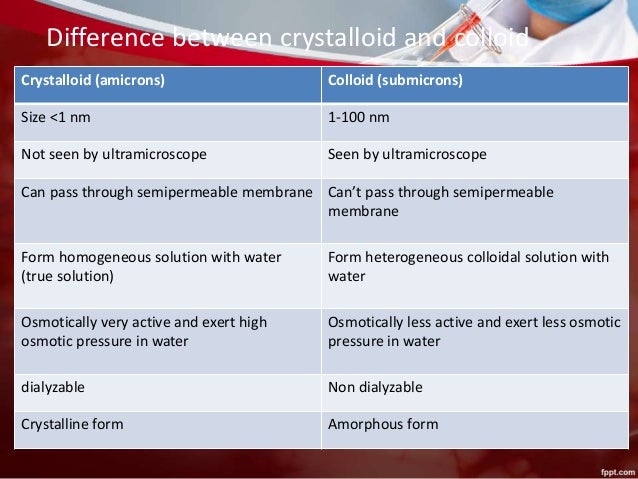
Colloids can be manmade eg. Crystalloids and colloids are plasma volume expanders used to increase a depleted circulating volume. The key difference between crystalloids and colloids is that the colloids contain much larger molecules than that of crystalloids.
6 A subsequent meta-analysis of 21 non-COVID-19 randomized controlled trials n 20213 that included the pragmatic trial cited above compared balanced crystalloids to 09 saline. 34 However there are other effects of these fluids including alterations to the immune response to critical illness. Albumin or fresh frozen plasma FFP and have bigger molecules so stay in the blood for longer before passing to other parts of the body.
Compared to treatment with unbalanced crystalloids treatment with balanced crystalloids resulted in fewer deaths aOR 074. His work on the diffusion of gases has become to be known as Grahams law. Balanced Crystalloid Choice of balanced crystalloid Step II.
Colloids are substances that do not diffuse through membranes as easily as crystalloids and thus are confined to the intravascular space. Starches dextrans or gelatins or naturally occurring eg. PH-guided resuscitation Hypertonic isotonic bicarbonate Therapeutic alkalinization to augment permissive hypercapnia Podcast Questions discussion Pitfalls The illustration above may appear a bit amusing but this actually mirrors various practices that Ive.
For the clinician caring for patients with sepsis today the initial administration of 20 mLkg of intravenous balanced crystalloid followed by consideration of the risks and benefits of subsequent fluid administration represents. Administer crystalloids colloids or a combination of these. Colloids preserve a high colloid osmotic pressure in the blood and therefore they should theoretically preferentially increase the intravascular volume whereas other types of volume expanders called crystalloids also increase the interstitial volume and intracellular volume.
Colloids are more expensive than crystalloids. A meta-analysis of 70 trials with 22 392 patients found no difference in mortality between colloid and crystalloid solutions for fluid resus - citation in critically ill patients. Tial resuscitation is unclear with crystalloids or colloids often being used while the need for the transfusion of blood products is assessed.
Starches dextrans or gelatins or naturally occurring eg. Particles in the colloid solution are too large to pass a semipermeable membrane such as capillary membranes and stay in the intravascular spaces longer than crystalloids. The size of the suspended particles in a colloid can range from 1 to 1000 nanometres 10-9 metres.
These include isotonic sodium chloride solution lactated Ringer solution 5 hypertonic saline albumin purified protein fraction fresh frozen plasma hetastarch pentastarch and dextran 70. Albumin may be beneficial in septic shock but other colloids such as starches dextrans and gelatins appear to increase the risk of death and acute kidney injury. Crystalloids that are isotonic and noncolloidal are considered to be balanced with a composition close to that of ECF with sodium as the primary electrolyte.
0225 Sodium Chloride 0225 NaCl. Colloids another type of fluid are thicker fluids. Remember youre trying to replenish intravascu-.
In humans the average capillary diameter is 5 to 10 micrometres a micrometre is 0001 millimetre. There are quite a number of intravenous IV fluids used in clinical therapy and the type of fluid is selected based on the patients conditionCrystalloids are one type of fluid. Crystalloids are most commonly used and can also treat hyponatremia.
Crystalloids are the most commonly used replacement fluids TABLE 3. Colloids given by IV include albumin and dextran.

Difference Between Colloids And Crystalloids Is Of Scholr
Crystalloid And Colloid Solutions

Choosing Between Colloids And Crystalloids For Iv Infusion Nursing Times
The Pharmaceutical Era Ethrough Membranes Readily Uncrystallizable Glue Like Or Amorphous Substances Do Not Diffuse Or Only Withgreat Slowness For The First Class Professor Grahamhas Proposed The Term Crystalloid And For The Secondcolloid
Crystalloids Amp Colloids
Crystalloids Vs Colloids For Fluid Resuscitation In The Intensive Care Unit A Systematic Review And Meta Analysis Sciencedirect

Difference Between Crystalloids And Colloids L Crystalloids Vs Colloids Peripheral Nervous System Systems Theory Adrenal Cortex
Colloid Versus Crystalloid In Hypovolemic Shock Controversy Ppt Download


